Gate motors do not usually fail because they were badly made. They fail because they were too small for the gate they were asked to move.
Swing or sliding
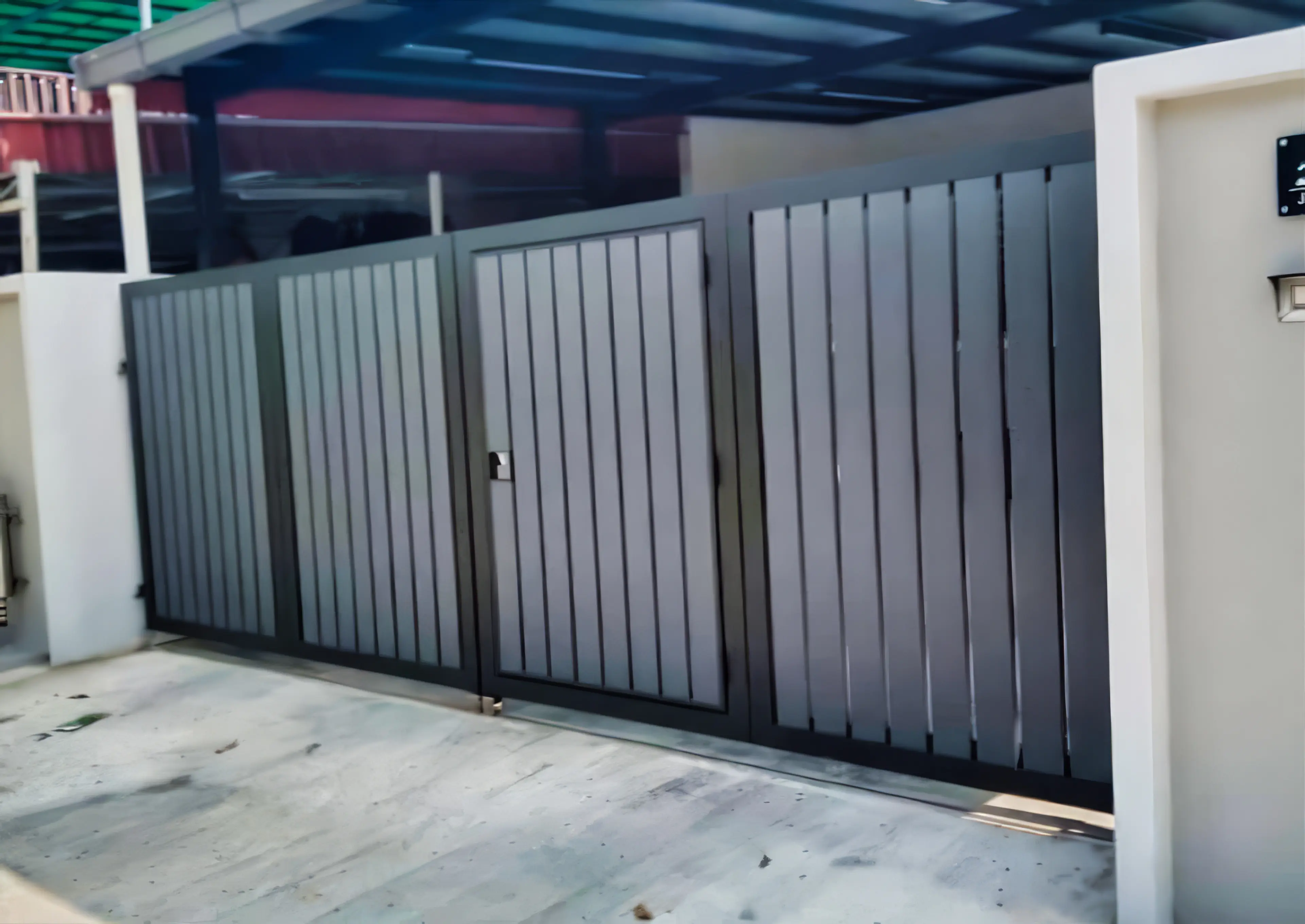
Swing gates need a clear arc inside the boundary and look more traditional. Sliding gates need a run of wall alongside the opening but nothing in the driveway, which is why they suit short driveways where a swing leaf would hit a parked car.
Weight is the whole specification
A motor is rated for a maximum leaf weight. Running a motor near or above that rating every day is what burns it out. The honest question to ask a contractor is what your gate weighs and what the motor is rated for — if they cannot answer both, they are guessing.
Most of the failed motors we replace were correctly installed and simply undersized. A heavier aluminium leaf with a properly sized motor outlasts a light one fighting an overloaded motor.
Features worth paying for
- Manual release key — non-negotiable for power cuts.
- Safety sensor that stops the gate on an obstruction.
- Soft start and stop, which reduces wear on the whole assembly.
- Battery backup if your area loses power often.
Features usually not worth it
Phone app control sounds useful and is rarely used after the first month. A second remote costs a fraction of it and never needs a firmware update.
Expected life
A correctly sized motor on a well-aligned gate runs eight to ten years with an annual lubrication of the hinges and track. Alignment matters as much as the motor — a gate that drags is a gate that will fail early.